Over the course of Marion’s Communication and Psychological studies, she has developed a passion for youth media and marketing, beginning first with a course-long exploration of gendered toy marketing and continuing through various projects such as those described below. Children are particularly affected by the media they consume. Therefore, it is absolutely vital to understand both what youth media messages portray to their young audiences and how these messages are consumed.
I will conduct two studies that aim to examine the produced (1) and perceived (2) stereotype content created by a world-leading provider of digital youth media, the Walt Disney Company. The goal of the current thesis is to utilize a natural language processing approach to examine Disney princess portrayals over time in terms of gender and race, and how these portrayals are perceived by the audience. I will compare these results based upon features of the narrative and individual factors within participants (i.e. participants’ race, gender, or viewership).
Many of Disney’s early films feature racist images, from the beet-red Native Americans in Peter Pan to the infamous Uncle Remus in Song of the South. The Princess and the Frog, Disney’s first African American princess movie, is framed by Disney and mass media as a triumph over these old portrayals, a symbol of progress. However, this film merely repeats the same patterns of its past: placating the need for better representation, while paradoxically omitting race altogether. In this paper, I argue that Disney and the media inaccurately frame the Princess and the Frog as triumphant progress over a racist past. These negative and disqualifying portrayals negatively affect both the perceptions of out-group members towards African Americans and the self-image of young African American viewers. Therefore, Disney has the social responsibility to continue to improve.

When children are introduced to the adventuresome heroes and fine ladies in fairy tales, they meet two gender stereotypes that provide narrow expectations of women’s and men’s behavior. A woman is a beautiful damsel in distress, counting her sorrows until her savior prince carries her off into a happily ever after. Children learn that women who do not conform to these norms (i.e. Ursula, the evil stepmother, Maleficent) meet gruesome ends. Current research in counter-exemplars asks, however, what if these roles were switched? In this paper, I will use the lenses of Cultivation theory and of Social Cognitive theory to discuss the importance of fairy tales in gender role development, how they can be used to legitimize traditional gender norms, or how they can be “misinterpreted” to support a more progressive agenda. I argue that fairy tales not only act as mirrors to our cultural attitudes, but demonstrate the ability to shift these values. Therefore, these classic narratives can be used as a tool for change.
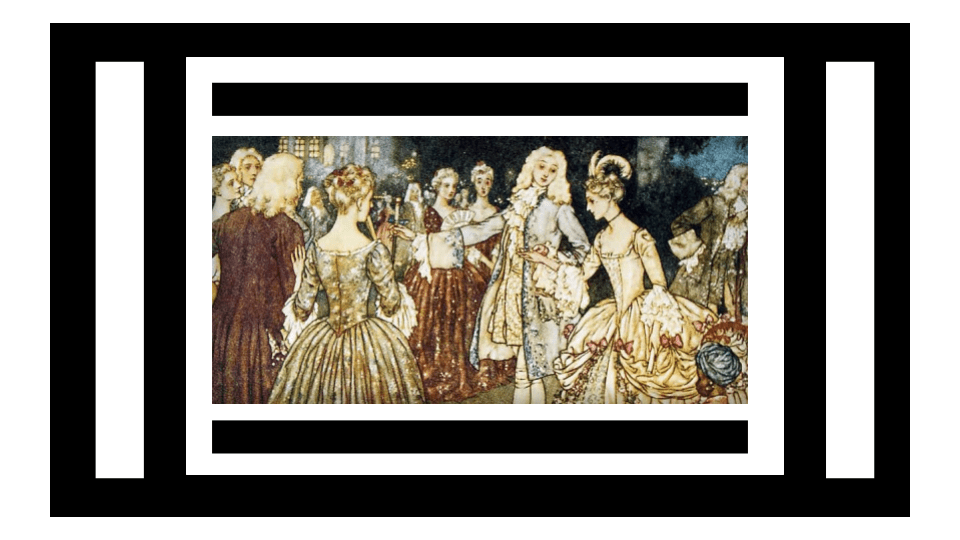
4. Gendered Toy Marketing: Critical Analysis and Historical Review
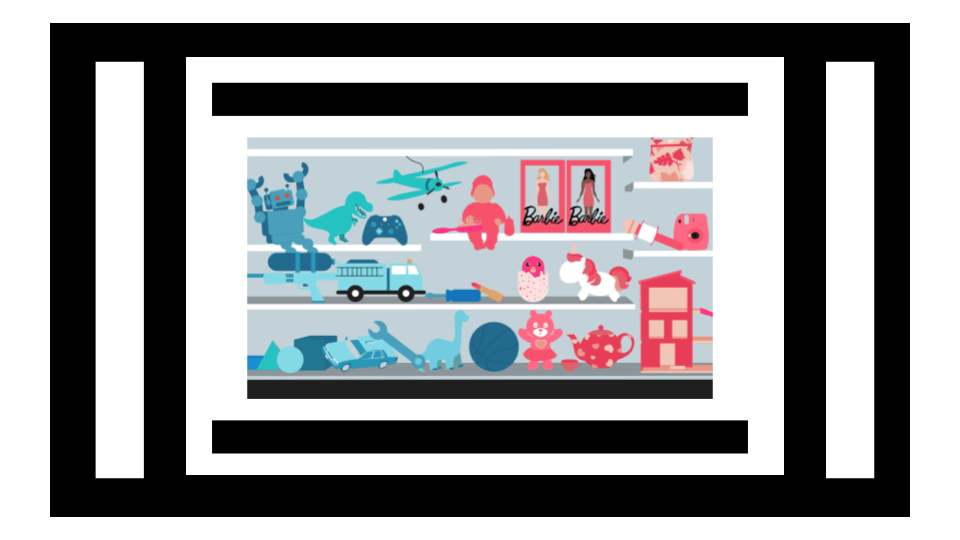
In Spring 2019, Marion Comi-Morog examined the history and effect of gendered toy marketing in order to develop a website that shares the information to advertisement audiences and to fellow prospective marketers. This website aims to spark the debate for gendered toy marketing, initiating questions like: How does gendered toy marketing affect children? How can we market toys more effectively? Her work ultimately concludes that marketers have immense influence over the preferences and skillsets of children, and thus have the responsibility to open doors for the next generation rather than shut them (Campaign 2014). This responsibility can be an opportunity for profit: widening a product’s target audience increases the number of potential customers for a given product. With her project, Marion imagines a future where possibilities for a child’s toy play are endless and toys are constantly disappearing off of gender-neutral shelves.
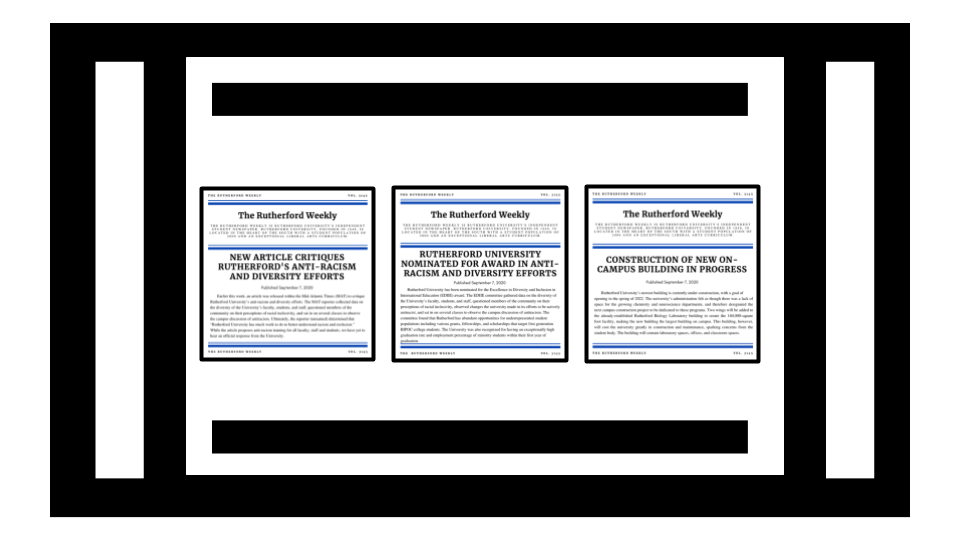
This collaborative experiment extends Marion’s focus on youth media effects to examine the effect of public recognition for racial diversity efforts in media. In this study, Marion and her team members examined how public recognition of diversity and anti-racism efforts on a college campus impacts perceptions of racism in campus events for White and non-White participants. An online survey assigned participants to read an article about a fictitious university’s diversity and anti-racism efforts, framed in either a positive or negative light. Participants’ racial identity relevance and perceptions of racism within the context of this college were then analyzed. Results of their study were inconsistent with previous findings (see Kirby et al. 2015), instead demonstrating that the experimental manipulation did not have a significant effect on perceptions of racism. Racial identity relevance, however, demonstrated a negative correlation to White participants’ perception of racism.
 Marion Comi-Morog